Flat cleaning checklist for SW9 converted Victorian houses
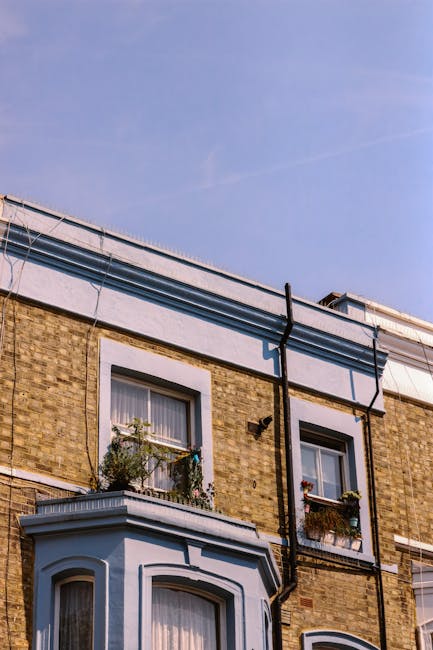
If you live in, manage, or are moving out of a converted Victorian flat in SW9, a normal cleaning routine often falls short. These homes have character, which is lovely, but they also have quirks: high skirting boards, narrow hallways, original timber, old sash windows, awkward corners, and the sort of dust that seems to appear from nowhere. A proper Flat cleaning checklist for SW9 converted Victorian houses helps you clean smarter, protect finishes, and avoid the usual missed spots that can turn into bigger problems later.
This guide is built for real flats, not generic boxes. It walks you through what to clean, why it matters in Victorian conversions, how to do it in a sensible order, and where to focus when time is tight. You will also find a practical checklist, common mistakes, and a few expert habits that make a noticeable difference. Truth be told, some of the best cleaning wins are the boring ones done properly.
Why this checklist matters
Converted Victorian houses in SW9 often have more detail than modern flats, and detail means more places for dirt to hide. Think picture rails, ornate cornices, old vents, uneven floor edges, deep window recesses, and shared hallways that bring in dust and mud from the street. In an area with busy roads, foot traffic, and period housing split into multiple homes, cleaning is not just about looking presentable. It is about keeping the flat healthy, tidy, and easier to maintain.
There is also the practical side. If you are a tenant, landlord, managing agent, or owner-occupier, a well-run cleaning routine reduces disputes, especially around move-out condition, shared access, and wear on original features. A dusty cornice can be forgiven. A greasy kitchen extractor or mould in a bathroom corner usually cannot. Let's face it, those are the details people notice first.
Victorian conversions also tend to vary. One flat may have stripped floorboards and high ceilings; another may have carpet, secondary glazing, and a tiny galley kitchen squeezed into an old layout. So a checklist has to be adaptable, not rigid. That flexibility is what makes it useful.
How this checklist works
The best cleaning checklist for a Victorian conversion follows the shape of the property, not just the rooms on paper. Start with the areas that collect dust and grease fastest, then move to the surfaces that need more delicate handling. In older flats, the order matters because you do not want to clean a floor and then knock dust down from a shelf above it two minutes later. Classic mistake. Very common.
The process usually works like this:
- Declutter first so every surface is reachable.
- Dust from top to bottom so particles fall onto areas you have not cleaned yet.
- Tackle kitchen and bathroom grime where hygiene matters most.
- Clean windows, sills, and frames because Victorian openings often trap dirt.
- Finish with floors and touchpoints such as handles, switches, and banisters.
For SW9 converted Victorian homes, this order is especially helpful because layouts can be cramped and circulation is awkward. You may need to move through rooms in a slightly different sequence than you would in a new-build flat. That is fine. The point is to avoid undoing your own work.
If the flat is used for short lets, you may also need a faster turnaround routine between guests. In that case, pair your general clean with a focused turnover clean like airbnb cleaning or, for longer-term occupancies, a more structured regular cleaning plan. Different use, different pace.
Key benefits and practical advantages
A good checklist does more than make a flat look neat. It creates consistency, and consistency is gold when a property has older materials and awkward corners.
- Preserves character features: Cleaning gently and regularly helps protect original timber, sash windows, tiles, and painted mouldings.
- Reduces hidden dirt: Victorian conversions collect dust around vents, skirting, and coving where people often forget to look.
- Improves indoor comfort: A cleaner flat usually feels fresher, less stuffy, and easier to live in.
- Supports tenancy and sale preparation: If you need the place to look inspection-ready, a checklist avoids rushed patchwork cleaning.
- Makes deep cleans less painful: When the basics are done often, you do not face one enormous, grim reset later. Which is nice, frankly.
There is a quieter benefit too. A well-cleaned older flat feels calmer. You notice it when sunlight falls across a polished sill or when the hallway stops smelling faintly of damp shoes and yesterday's takeaway. Small thing, but it changes how a home feels.
For flats that need a more intensive reset, a routine can be combined with services such as deep cleaning or, if there has been renovation dust or a rough move, after builders cleaning. Those are not the same as everyday upkeep, and mixing them up can leave gaps.
Who this is for and when it makes sense
This checklist is useful for a few different people, and the reason varies a bit for each one.
- Tenants: To keep the flat in good shape, avoid deposit headaches, and stay on top of the places that gather grime fastest.
- Landlords: To prepare a converted flat for new occupants and reduce complaints about cleanliness or maintenance.
- Homeowners: To manage an older property without letting dust, soot-like buildup, or bathroom moisture get ahead of you.
- Letting agents and property managers: To create a repeatable standard across different conversions, each with its own quirks.
- Anyone moving in or out: To make sure the flat feels properly reset, not just superficially wiped over.
It makes the most sense after a busy season, before an inspection, after guests, before listing photos, or whenever the flat starts to feel harder to keep on top of. You know the moment. The hallway mirror is smudged, the bathroom glass has that film on it, and the kitchen corners are suddenly speaking to you. Not loudly. Just enough.
If you are comparing one-off help with an ongoing routine, you might also look at one-off cleaning versus a broader domestic cleaning arrangement. The right choice depends on how often the flat gets used, not just how dirty it looks today.
Step-by-step guidance
A practical cleaning routine for SW9 converted Victorian flats should move room by room, but with a few Victorian-specific habits layered in. Here is a sensible sequence.
1. Start with ventilation and a quick visual scan
Open windows if the weather allows. You want to move stale air out before you start lifting dust. Then do a fast walk-through and note problem areas: bathroom mould lines, greasy extractor edges, dusty skirting, water marks, or carpeted stairs that need attention. Two minutes here can save twenty later.
2. Declutter surfaces and clear access points
Converted flats often have narrow rooms, so even a few items on a table or windowsill can get in the way. Put away post, loose chargers, toiletries, and shoes. In the kitchen, clear the sink and worktops completely. In the bathroom, remove bottles from the bath edge and basin.
3. Dust high-to-low in each room
Start with light fittings, shelves, picture rails, curtain poles, and cornices if they are accessible. Then work down to wall edges, skirting boards, and sockets. Victorian plaster details can hide dust beautifully, which is very helpful to the dust and not so helpful to you.
4. Clean the kitchen thoroughly
The kitchen usually needs the most deliberate effort. Degrease splashbacks, wipe cupboard fronts, clean the hob, check the extractor, and pay attention to handles. If the flat has an older fitted kitchen, be gentle with swollen laminate edges and worn hinges. Old materials can be fussy.
For stubborn oven residue, it can help to treat that as its own job rather than a quick wipe. A dedicated oven cleaning service may be worth considering if burnt-on buildup keeps returning. In a converted Victorian flat, heat can spread unevenly, so grease may bake on faster than you expect.
5. Refresh the bathroom with hygiene in mind
Bathrooms in older conversions often have limited airflow, so mould, limescale, and soap residue can become a pattern rather than a one-off issue. Clean the toilet base and behind it, the taps, the shower screen, the grout, the waste plugs, and the silicone edges. Check around the bath panel if there is one. Moisture likes hidden places.
If there is any persistent smell or staining from pets, damp towels, or old spills, targeted help such as pet stain odour removal or stain removal may be more effective than repeated surface cleaning.
6. Handle windows, frames, and ledges
Victorian windows in conversions can be tricky. Clean the glass, sure, but do not ignore the frame grooves, sash runners, catches, and deep sill recesses. These areas collect dead insects, soot-like dust, and condensation marks. If the property has original windows, avoid soaking woodwork. Damp cloth, controlled pressure, done.
For flats on busier streets, windows may need more frequent attention. A proper window cleaning routine improves light levels as much as appearance. And in a Victorian conversion, better light makes the whole place feel taller and cleaner. You notice it straight away in the morning.
7. Clean soft furnishings and floors
If the flat has carpet, rug, upholstery, or curtains, do not wait until the end of the year to think about them. Dust, old allergens, and everyday debris build up gradually. Vacuum slowly, especially along edges and under radiators where possible. For delicate fabrics, use the right method rather than the strongest one.
Depending on the room, a mix of carpet cleaning, upholstery cleaning, curtain cleaning, or mattress cleaning may be appropriate. Not every flat needs all of them, of course, but older homes often benefit from a more considered approach than a quick vacuum and hope.
8. Finish with touchpoints and final checks
Wipe light switches, handles, bannisters, thermostats, and remote controls. Then step back and look for what the room still says. Smudges on glass? Dust at floor level? A neglected socket? The final pass matters because it catches the small things that make a room feel unfinished.
Expert tips for better results
A few habits make a big difference in converted Victorian flats. They are not glamorous, but they work.
- Use two cloths in the kitchen and bathroom: one for general wiping, one for sanitising or final buffing. It keeps grease from smearing everywhere.
- Work with the room's airflow: open windows after dusting, not before, if the street is particularly dusty or traffic-heavy.
- Test products on older finishes: Victorian paint, wood stain, and stone-look surfaces can react badly to strong chemicals.
- Vacuum edges slowly: dust loves skirting lines, radiator feet, and corners behind furniture.
- Use a small brush for detailing: an old toothbrush or soft detailing brush is brilliant for hinges, vents, and tile grout lines.
- Keep a separate "period property" mindset: do not treat original timber like modern plastic. Gentle is often best.
One small observation from real homes: the cleanest-looking flats are not always the ones cleaned hardest. They are often the ones cleaned regularly, with attention paid to the awkward bits before they become obvious. A little dull? Maybe. Effective? Absolutely.
If your flat has shared entrances or common stairways, keeping the route to your door tidy also helps the whole property feel better maintained. In some buildings, a specialist approach like communal area cleaning is worth discussing, especially where dust and footfall come in from several households.
Common mistakes to avoid
Older converted flats expose bad cleaning habits very quickly. Here are the ones people fall into most often.
- Using too much water on timber: this can damage floors, skirting, and window frames over time.
- Skipping the high ledges: dust accumulates there first and drops later onto everything you just cleaned.
- Forgetting ventilation: a closed, damp bathroom stays muggy and grime builds up faster.
- Cleaning only what is visible: behind taps, under rims, and along the back of cupboards matter more than people think.
- Using one cloth for everything: it spreads grease and bacteria around the flat.
- Ignoring floor edges and corners: these areas tell the truth, to be fair.
A subtler mistake is treating every flat in SW9 as if it needs the same routine. A top-floor conversion with carpet and sash windows is a different job from a ground-floor split-level flat with hard flooring and a compact bathroom. The checklist should adapt to the layout, not the postcode alone.
Tools, resources and recommendations
You do not need a massive kit, but the right tools save time and reduce damage risk.
| Tool or product | Best use | Why it helps in a Victorian conversion |
|---|---|---|
| Microfibre cloths | General dusting and wiping | Lift dust well without scratching painted surfaces |
| Soft brush or detailing brush | Skirting, vents, hinges, grout | Reaches awkward edges and ornament |
| Vacuum with crevice tool | Edges, stairs, corners, radiators | Useful for narrow rooms and deep recesses |
| Non-abrasive degreaser | Kitchen buildup | Helps without scouring delicate finishes |
| Limescale remover | Bathroom taps, screens, shower heads | Important where water marks build quickly |
| Glass cleaner | Windows and mirrors | Restores light in darker converted rooms |
If the flat has hard floors, a dedicated method for them is worth it. Period properties often have mixed flooring, and the wrong product can leave a slippery residue or dull finish. In that case, a service such as hard floor cleaning may be useful when a deeper reset is needed.
For sofas, rugs, and mattresses, a broader clean can stop dust from cycling back into the room. Related services such as sofa cleaning and rug cleaning can make a surprising difference in older homes where airflow is limited.
Law, compliance, standards, or best practice
Cleaning a private flat is not usually about formal regulation in the way building work is, but there are still practical standards worth respecting. If you are a tenant, landlord, or managing agent, common-sense hygiene and safe product use are the baseline. Read product labels, keep rooms ventilated when using stronger cleaners, and avoid mixing chemicals. That last one sounds obvious, yet it is the kind of thing that goes wrong in real life when people are in a rush.
For rental properties, cleanliness often becomes a matter of condition, inspection, and expectation rather than law itself. The exact standard depends on tenancy type, agreements, and the state of the property at hand. If you are preparing for a handover, use a checklist and keep your approach consistent so there is a clear record of what was cleaned.
Health and safety also matter if anyone is cleaning on your behalf. Wet floors, step stools, fragile sash cords, and old fixtures can all present risk. A responsible provider should have clear procedures and suitable insurance. If you are comparing options, pages like health and safety policy and insurance and safety can help you understand the basics of how a service approaches risk.
For businesses or shared properties, good practice may also include waste handling and environmentally sensible products. If that matters to you, it is reasonable to ask how recycling and chemical use are managed. In older buildings especially, careful choices tend to age better. That is just practical, really.
Options, methods, or comparison table
Not every flat needs the same cleaning approach. Here is a simple comparison to help you choose the right level of effort.
| Method | Best for | Strengths | Limitations |
|---|---|---|---|
| Routine clean | Week-to-week upkeep | Quick, manageable, keeps mess under control | May miss buildup in corners, grout, or vents |
| One-off clean | Busy households or reset days | Good for catch-up cleaning and visible results | Not always enough for heavy grime or pre-tenancy use |
| Deep clean | Older flats, inspection prep, seasonal refresh | Covers neglected areas, detail work, tougher buildup | Takes longer and usually costs more than a routine visit |
| End of tenancy clean | Move-out and changeovers | Aim is to restore presentation to a high standard | Can be more intensive than standard domestic cleaning |
For many SW9 Victorian conversions, a routine clean plus periodic deep clean is the most realistic combination. If you are between tenancies, an end of tenancy cleaning service can be more suitable than a general domestic tidy-up. If you are moving in, a move in cleaning approach gives you a cleaner starting point, which is honestly a relief.
Case study or real-world example
Imagine a two-bedroom converted Victorian flat near a busy SW9 road. The layout is typical: a narrow entrance hall, one bathroom, a compact kitchen, two bedrooms, and high ceilings with decorative moulding. The owners had been doing quick surface cleaning each week, but the flat still felt dusty and a little tired. The kind of tired that sunlight makes impossible to ignore.
When they switched to a proper checklist, the first change was not dramatic furniture magic or anything fancy. It was the overlooked details: the top of the bathroom door frame, the edges of the skirting in the hallway, the extractor fan grille, and the window channels in the front room. The kitchen looked cleaner once the cupboard handles were degreased and the splashback corners were dealt with properly. The flat did not become a different flat. It just started feeling cared for again.
That is usually how it goes. The biggest results in period conversions often come from the smallest neglected spots. A little boring, maybe. But very real.
Practical checklist
Use this as a working checklist for a flat cleaning routine in a SW9 converted Victorian house. You can print it, save it, or just run through it room by room.
- Open windows or improve airflow before starting.
- Declutter surfaces, floors, and access points.
- Dust light fittings, shelves, rails, picture ledges, and cornices.
- Wipe walls, switches, handles, and other touchpoints.
- Vacuum skirting lines, corners, and behind reachable furniture.
- Clean kitchen worktops, cupboard fronts, sink, hob, and splashbacks.
- Degrease extractor fans and ventilation covers.
- Clean oven, microwave, and fridge seals where needed.
- Scrub bathroom taps, tiles, toilet, shower screen, and grout.
- Check for mould or damp patches around vents and window edges.
- Wash mirrors, glass, and internal window frames.
- Vacuum or clean carpets, rugs, sofas, and mattresses as needed.
- Clean hard floors with the right product for the surface.
- Wipe bannisters, banisters, doors, and door frames.
- Finish with a final walk-through and spot check.
Quick note: if a room has not been cleaned properly for a while, split the work into sections rather than trying to do everything in one burst. You will do a better job, and your back will thank you.
Conclusion
A flat cleaning checklist for SW9 converted Victorian houses works best when it respects the property itself. Older conversions need a gentler, more detailed approach than modern flats, but they are absolutely manageable once you know where dirt hides and what order to work in. Focus on the awkward edges, protect older materials, and keep the routine realistic enough that you can actually stick to it.
The good news is that once the system is in place, these homes become much easier to live with. They feel brighter, calmer, and more settled. And that is really what most people want from a clean flat, isn't it?
If you need a broader cleaning plan, want help with move-out standards, or simply prefer a professional reset for a Victorian conversion, the next step is to compare the service type that fits your property and schedule.
Get a free quote today and see how much you can save.
Frequently Asked Questions
What makes a converted Victorian flat harder to clean than a modern flat?
Converted Victorian flats usually have more detail, older materials, and awkward layouts. Cornices, deep window recesses, timber trim, and narrow rooms all create places where dust and grime collect.
How often should I use a flat cleaning checklist in SW9?
For most homes, a weekly or fortnightly routine works well, with a deeper clean every so often depending on how many people live there, whether pets are present, and how much traffic the flat gets.
Should I clean from top to bottom in a Victorian conversion?
Yes, that is usually the safest approach. Dust falls downward, so starting high and finishing with floors prevents you from cleaning the same area twice.
Do original sash windows need special care?
They do. Use minimal water, avoid harsh scouring, and pay attention to the tracks, catches, and frames. If the woodwork is old, gentle methods are best.
What should be prioritised before a move-out inspection?
Kitchen grease, bathroom limescale, window frames, skirting boards, floors, and any visible dust on high ledges should be high on the list. Those are the spots people tend to inspect first.
Can I use the same products on timber and tiled surfaces?
Not always. Timber needs more caution with moisture and strong chemicals, while tiles and grout may need a more targeted cleaner. Always check that the product suits the surface.
How do I stop dust building up so quickly?
Regular vacuuming, good airflow, and paying attention to vents, soft furnishings, and skirting edges all help. In older buildings, complete prevention is unrealistic, but you can slow it down a lot.
Is deep cleaning worth it for a small converted flat?
Usually, yes, especially if the flat has not had a detailed clean for a while. Small flats can hide a surprising amount of dirt because every surface gets used more intensively.
What is the difference between a one-off clean and an end of tenancy clean?
A one-off clean is usually for a reset or catch-up. An end of tenancy clean is typically more detailed and aimed at meeting handover expectations for a rental property.
Should communal areas be included in my cleaning plan?
If you share an entrance, stairwell, or landing, yes. Even if your own flat is spotless, dirty shared spaces can make the whole property feel less cared for.
What if my flat has mould or persistent damp smells?
Cleaning helps, but recurring mould or damp usually needs more than surface wiping. Improve ventilation, identify the source, and if needed get professional advice about the underlying issue.
How do I choose between routine cleaning and professional help?
If you can keep up with the basics but need help with heavy buildup, a one-off or deep clean may suit you better. If upkeep is becoming a weekly struggle, a regular cleaning plan may be the calmer option.
Some homes need a bit more attention than others. Victorian conversions are like that. Once you understand their rhythm, though, keeping them clean becomes less of a chore and more of a steady habit that quietly pays off day after day.